A bathroom renovation can improve how a bathroom works, looks and feels while making a property more appealing to potential buyers. In this article, “add value” means improving functionality, condition, durability, presentation and broad buyer appeal, rather than promising a specific increase in property value or return. The most practical bathroom upgrades usually start with layout, storage, quality materials, lighting and reliable wet-area construction before moving to premium fixtures or highly personalised features.
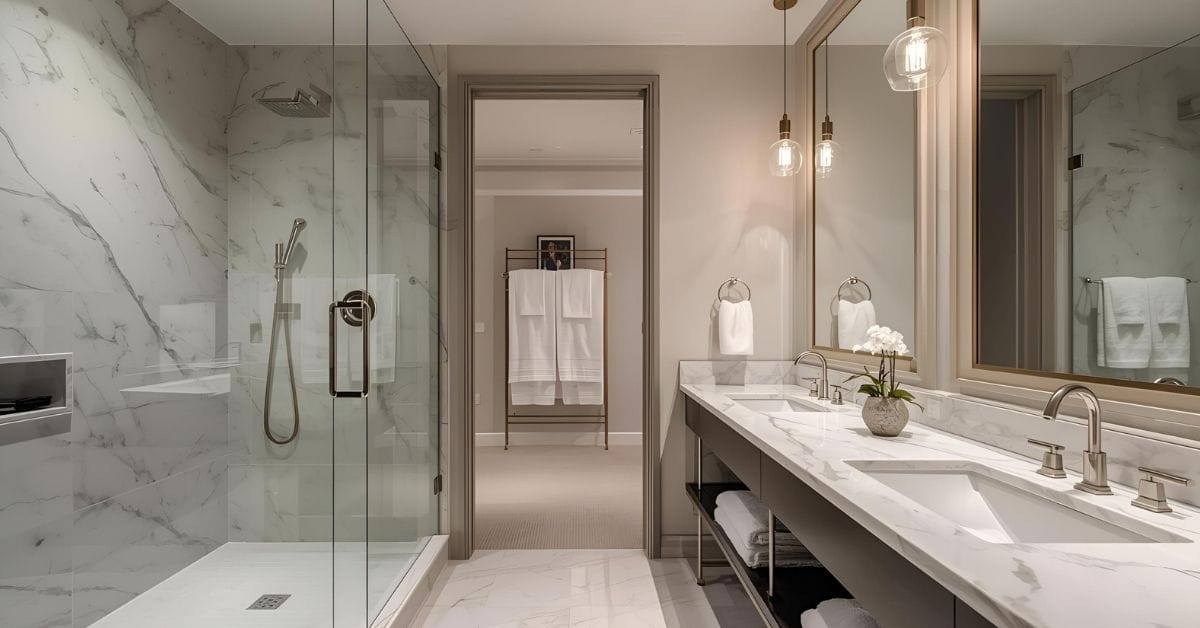
Start with the bathroom features buyers are likely to value
Bathroom renovation priorities should start with the decisions that have the clearest effect on everyday functionality, condition and presentation. Rather than claiming there is one best bathroom design for every property, rank each upgrade by the problem it solves and how difficult it would be to change later.
- Layout and space come first because poor circulation, awkward fixture positions or a badly placed shower can affect every use of the room.
- Storage and functionality come next because a bathroom with nowhere to put everyday items can quickly become cluttered, even when the design is attractive.
- Durability and wet-area quality matter because tiles, surfaces, fittings and other materials need to cope with regular moisture, cleaning and use.
- Ventilation and lighting support comfort, moisture management and visibility, particularly where natural light or airflow is limited.
- Fixtures and finishes can then enhance the aesthetic result through considered selection of tile, vanity, mirror, tapware, fittings and accessories.
This ranking gives homeowners a practical way to allocate a renovation budget. Fixing a fundamental problem generally deserves priority over an expensive feature that mainly changes the appearance of one part of the bathroom.
If you are considering a complete project, see Eternity Bathrooms’ full bathroom renovation service for an overview of how layout, waterproofing, tiling and fit-off can be coordinated.

Improve the layout before adding expensive features
A bathroom renovation can improve value through a better layout before a homeowner starts selecting luxury fixtures. Good bathroom design makes the available space easier to move through and reduces conflicts between the door, shower, toilet, vanity and other fittings.
Consider a bathroom where the door opens towards the vanity and the toilet sits close to the shower. A change to the fixture arrangement might immediately improve circulation, but relocating plumbing can also make the renovation more substantial. The better choice is therefore the layout that solves a genuine usability problem while keeping construction complexity proportionate to the benefit.
When comparing a new layout with the existing bathroom, ask:
- Can the shower, toilet and vanity be used without creating an awkward path through the room?
- Does the door, shower screen or vanity reduce useful space when opened or occupied?
- Would moving a fixture solve a practical problem, or mainly create a different visual arrangement?
- Can the current plumbing positions be retained while still delivering the required upgrade?
For homeowners planning a more substantial renovation, personalised bathroom layouts can help when the existing footprint creates specific circulation, storage or access problems.
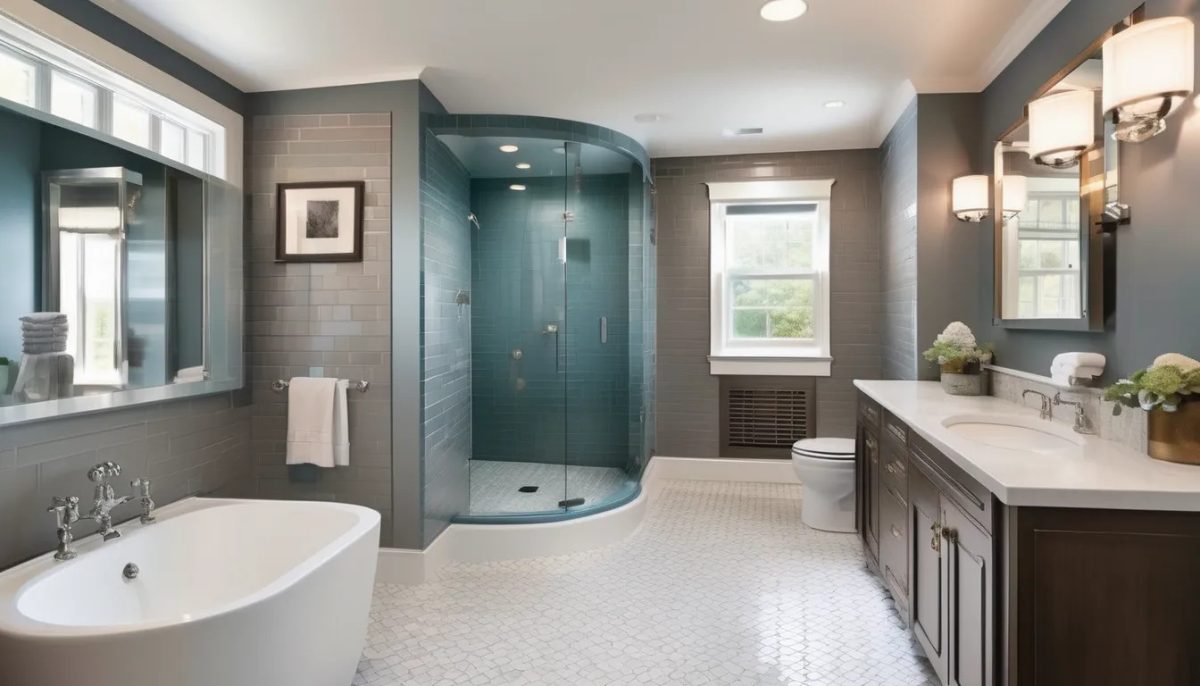
Add storage that makes the bathroom easier to use
Bathroom storage should give everyday products a defined place without consuming the space needed to move around the room. The right vanity, cabinet or shelving can improve functionality while reducing visual clutter.
- Use the vanity strategically. Drawers can keep toiletries and grooming products accessible without leaving them across the surface.
- Use wall space where practical. Recessed storage can reduce visual intrusion, subject to the wall construction and the requirements of the installation.
- Separate daily-use items from occasional supplies. Spare toiletries, cleaning products and everyday accessories do not need to occupy the same storage zone.
- Check cabinet depth. A substantial cabinet may provide more capacity but can reduce usable floor space in a compact bathroom.
- Plan towel storage. Towel racks and other towel storage should be positioned where towels are easy to reach without interfering with the shower, toilet or vanity.
More storage is not automatically a better choice. In a small bathroom, a well-positioned vanity with efficient internal storage can improve the room more than a larger cabinet that makes circulation difficult.
For a dedicated look at compact layouts, the small bathroom renovation guide covers practical ways to use limited space.
Choose fixtures and finishes for long-term appeal
Bathroom fixtures and finishes should balance aesthetics with maintenance, durability, space and long-term adaptability. The right material or fitting is the one that suits the room and its use, rather than simply being the most premium or luxurious option available.
| Choice | Potential benefit | Decision to make |
|---|---|---|
| Wall-hung vanity | Can create a lighter visual effect and expose more floor surface | Check whether the storage capacity and installation requirements suit the available space |
| Large-format tile | Can reduce the number of visible grout lines and create a cleaner surface | Consider the room dimensions, tile selection, cleaning requirements and installation details |
| Framed shower screen | Provides a clearly defined shower area and can suit a more traditional bathroom design | Consider the frame profiles, cleaning and how the framing affects the visual openness of the shower |
| Frameless shower screen | Can make the shower area appear more open | Consider glass, hardware, cleaning, installation quality and whether the open appearance benefits the room |
| Neutral base finishes | Can provide a flexible background for future accessories and styling changes | Use texture, contrast or a restrained focal feature if a plain scheme feels too flat |
| Water-efficient fittings | Can support water efficiency as part of the bathroom’s everyday use | Check the fitting’s specifications and suitability rather than selecting it solely for an environmental label |
Tapware, showerheads, sinks and other fittings also deserve attention beyond their appearance. A matte, satin or polished surface can change the visual character of a bathroom, but the selection should also account for cleaning, how the fitting complements the other finishes and how well it suits the overall design.
Quality materials are not automatically the most expensive materials. A considered selection can give the bathroom a substantial visual upgrade without relying on premium fixtures throughout the entire room.
For more detail on choosing surfaces, the tile selection guide can help when comparing tile formats, materials and finishes.
Make a small bathroom feel more functional
Small bathroom renovations need every fixture to earn its place. The strongest improvements usually come from protecting circulation, choosing an appropriate vanity and using vertical or concealed storage rather than trying to make the room feel luxurious through extra features.
Imagine a narrow bathroom where the vanity leaves little clearance beside the toilet. Replacing it with a smaller vanity that still provides useful storage may improve the room more than installing a larger sink or premium stone surface. A carefully positioned shower screen can similarly protect the main path through the bathroom.
When space is limited, make each choice against the available floor area:
- Choose fixture sizes according to circulation rather than appearance alone.
- Use wall space for storage where appropriate.
- Keep tile patterns and surfaces visually controlled so the room does not feel unnecessarily busy.
- Check door and shower-screen swings before installing fixtures.
- Make storage capacity part of the layout rather than adding cabinets after the main design is complete.
Small bathroom renovations are particularly sensitive to trade-offs. A larger vanity may increase storage but reduce circulation, while a freestanding bath or tub may become a focal point at the expense of useful floor space.
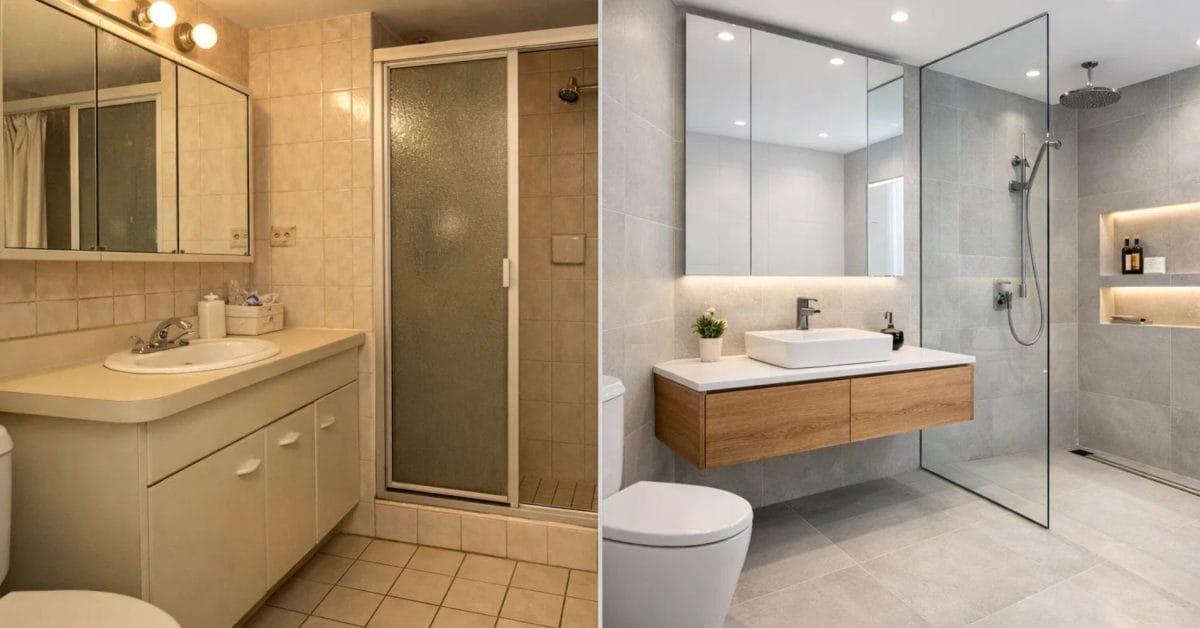
Don’t overlook lighting, ventilation and waterproofing
Lighting, ventilation and waterproofing are practical parts of a bathroom renovation because they affect comfort, moisture management, durability and the condition of the room. They may not have the immediate visual impact of a new tile or mirror, but they should be considered before decorative choices are finalised.
- Lighting: use appropriate general and task lighting so the vanity, shower and other areas are practical to use.
- Ventilation: plan for effective moisture management, particularly where natural airflow is limited.
- Waterproofing: treat the wet-area construction as a fundamental part of the renovation rather than something secondary to the finished surface.
- Plumbing and drainage: identify whether proposed fixture changes affect regulated work before the renovation scope is finalised.
Queensland requirements can depend on the type and scope of work, so plumbing, drainage, waterproofing and any approval or notification requirements should be checked for the specific renovation before work begins. The Queensland bathroom renovation compliance guide provides a useful starting point for the relevant bathroom-specific considerations.
Using licensed and insured trades is also relevant when the renovation involves regulated work. Eternity Bathrooms’ waterproofing service is relevant where wet-area protection forms part of the renovation scope.
Use trends carefully if resale appeal matters
Bathroom trends can help update a room, but the more permanent and difficult-to-replace an element is, the more carefully it should be selected. Use current ideas to complement the bathroom rather than making every fixed surface depend on one aesthetic direction.
| Do | Avoid |
|---|---|
| Use a current colour, tile or material as a controlled feature | Build every permanent surface around one short-lived trend |
| Add personality through a mirror, accessory, towel or other easily changed detail | Make expensive fixed finishes highly specific to one personal taste |
| Choose tapware and fittings that complement the main material and tile selection | Mix several finishes simply because each one is fashionable |
| Use texture, matte or satin finishes to add interest without relying on excessive ornament | Use complicated patterns where they make the small room feel visually crowded |
This approach can create a bathroom that feels updated without requiring every element to be replaced when tastes change. It also leaves more freedom to alter accessories, paint, mirrors and other relatively simple details later.
Bathroom renovation ideas that may not add value
Some expensive bathroom renovation choices may offer less practical or broad-appeal benefit than their cost suggests. That does not make them bad choices for every homeowner, but they should usually come after the fundamental bathroom upgrades are working properly.
- A large freestanding bath in a tight room: it can become a focal feature, but the space it occupies may reduce circulation or storage.
- Highly specialised smart features: technology may improve the bathroom for the current owner, but it should not take priority over basic functionality, storage or lighting.
- Premium fixtures throughout: premium tapware, fittings and surfaces can create a luxurious result without necessarily fixing a poor layout or inadequate storage.
- Major fixture relocation for appearance alone: moving plumbing can make a renovation more substantial, so the design benefit should justify the added complexity.
- Highly personalised styling: a strong personal aesthetic may suit the current homeowner but can be less adaptable if preparing to sell.
- Decorative upgrades before practical repairs: paint, accessories or a new mirror can brighten a bathroom, but they do not replace improvements to underlying function or condition.
The useful decision rule is to ask what problem each upgrade solves. If removing a feature would not make the bathroom less functional, durable or broadly appealing, it may belong lower in the renovation budget.
For homeowners comparing design options, the common bathroom renovation mistakes guide covers some of the decisions that can create avoidable problems.

How to prioritise your renovation budget
A bathroom renovation budget is easier to manage when spending follows the order of the problems being solved. The best return on investment cannot be promised without evidence about the individual property and market, so focus instead on improvements that strengthen usability, condition, durability and presentation.
- Fix functional problems. Address awkward circulation, insufficient storage, poor fixture positions and obvious space constraints first.
- Protect the room. Allow appropriate attention to waterproofing, plumbing, drainage, ventilation and other construction requirements.
- Choose durable materials. Select tiles, surfaces, fixtures and fittings that suit everyday use, cleaning and the conditions of the bathroom.
- Improve the presentation. Coordinate the vanity, tile, tapware, mirror, lighting and accessories so the choices complement rather than compete with each other.
- Add optional features. Consider a freestanding bath, premium fixtures, stone surfaces or specialised technology only after the fundamentals are covered.
When comparing renovation quotes, look beyond the headline cost. A fixed-scope quote can help clarify what work is included, which materials and fittings are covered, and where changing the scope may affect the renovation.
The site’s renovation budgeting guide is another useful resource when setting priorities and organising renovation spending.
Plan a bathroom renovation around value and usability
To add value to your bathroom without relying on a promised property value increase, focus on what the room needs to do better. A practical layout, useful storage, durable surfaces, appropriate lighting, effective moisture management and carefully selected fixtures can improve both long-term usability and broad buyer appeal.
For Brisbane Southside, Logan, Redlands and surrounding areas, Eternity Bathrooms is a family-run renovation business using licensed and insured trades, a dedicated project manager and fixed-scope quotes. Its QBCC licence 15360519 and Master Builders Queensland membership are relevant credentials for homeowners assessing who will coordinate the renovation and how the project scope will be managed.
If you are planning to renovate your bathroom, discuss your existing layout, priorities and budget with Eternity Bathrooms and request a fixed-scope quote. A useful starting point is to identify what needs to improve first, then choose the fixtures, materials and aesthetic details that support those priorities.
Frequently Asked Questions
Will a bathroom renovation improve resale appeal?
A bathroom renovation can improve resale appeal by improving functionality, condition, presentation and the overall usability of the room. It cannot guarantee a specific change in property value, so homeowners preparing to sell should prioritise practical upgrades and broadly adaptable design choices rather than assuming an expensive feature will produce a particular return.
Should I change the bathroom layout?
Change the layout when the existing arrangement creates a clear problem with movement, storage, access or fixture use. If the current layout works well, retaining plumbing positions may allow more of the renovation budget to be directed towards storage, durable finishes, lighting and other improvements.
Is a freestanding bath worth adding?
A freestanding bath can work well as a focal feature when the bathroom has enough space for comfortable circulation, cleaning and other required fixtures. In a compact bathroom, the same bath may reduce useful floor area, so its aesthetic appeal should be weighed against the space it occupies.
Are neutral bathroom finishes better for resale?
Neutral finishes can provide a flexible base for future owners, particularly when used on larger or more difficult-to-replace surfaces. Neutral does not have to mean plain, as texture, stone, restrained contrast, matte or satin finishes and carefully selected accessories can add character without making the entire bathroom highly personalised.
What should I prioritise if my bathroom renovation budget is limited?
Start with layout, storage, wet-area construction and the condition of major fixtures before spending heavily on decorative upgrades. Once those needs are covered, allocate the remaining budget to durable materials, lighting, tapware and aesthetic choices that improve the bathroom without compromising its functionality.
“`