A multifunctional laundry room helps a household wash, dry, store, sort and manage daily chores in one practical laundry space. In Brisbane Southside, Logan and Redlands homes, that space may be a compact internal laundry, an older underused room near outdoor access, or a laundry that doubles as an entry zone for school bags, work gear and muddy shoes. A good laundry renovation starts with function before finishes. The right plan should make the washing machine and clothes dryer easier to use, improve drying, protect wet areas and give regular items a clear place before cabinetry is locked in.
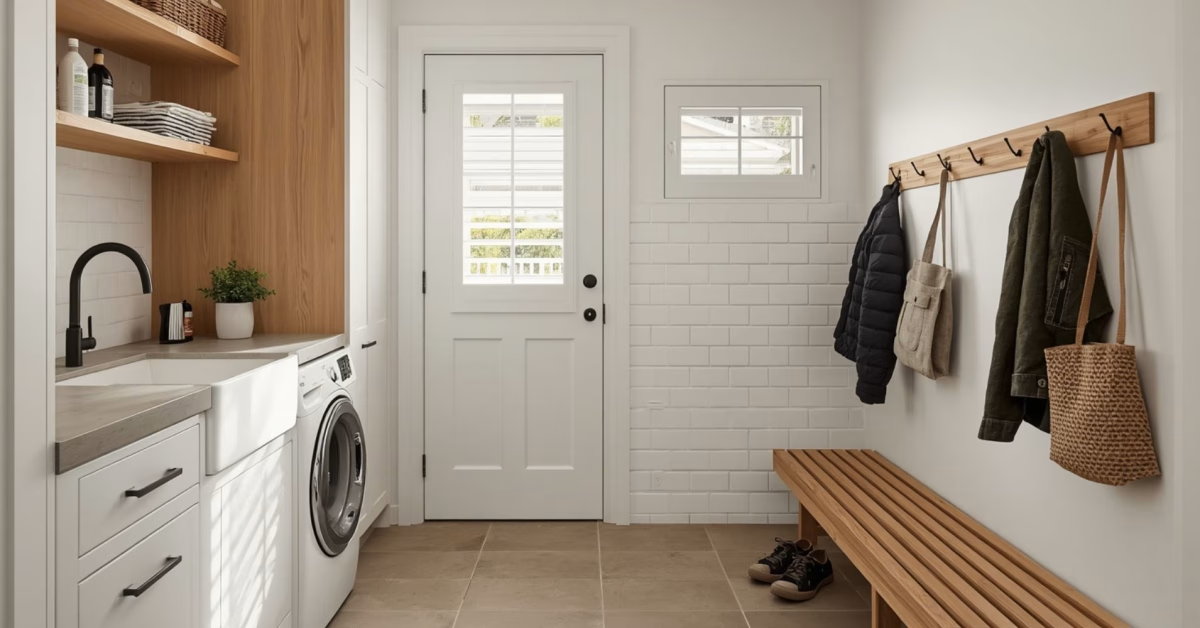
What makes a laundry room multifunctional?
A multifunctional laundry room is a laundry designed to handle more than washing clothes. It may also support laundry storage, drying, cleaning, linen sorting, pet care, mudroom use or access between the home and outside.
The aim is not to squeeze every design idea into the room. The aim is to choose the functions your household genuinely uses and give them enough space to work safely and comfortably.
- Washing and drying: space for the washer and dryer, hamper, detergent, drying rack and air movement.
- Cleaning support: a tall cabinet or storage cabinets for brooms, mops, buckets, sprays and cloths.
- Household storage: shelves, drawers or built-in cabinets for linen, bulk products or seasonal items.
- Mess management: a sink, benchtop or drop zone for muddy clothes, school gear or pet items.
- Moisture and splash planning: practical planning for plumbing, wet surfaces, tile choices, drying and suitable finishes.
Start with the jobs your laundry needs to handle
Your multifunctional laundry should begin with household tasks, not cabinet colours. A function-first plan helps you decide what deserves storage space, what can work double duty and what to sacrifice when the room is small.
| Household need | First priority | Best layout move | What to avoid |
|---|---|---|---|
| Large family washing loads | Sorting, folding and appliance access | Prioritise side-by-side appliances if folding space matters more than floor space | Filling the main bench with decorative items or rarely used storage |
| Small laundry room | Clear movement and vertical storage | Use tall cabinetry, a pull-out hamper or stacked appliances if the main user can reach them comfortably | Deep cabinets that block appliance doors or make the room hard to move through |
| Indoor drying | Air movement and hanging space | Plan a drying rack or rail where it will not drip over clean folding space | Adding a rail without thinking about humidity, ventilation or walkway clearance |
| Cleaning supplies | Tall and closed storage | Choose a broom cabinet over open shelving if mops, buckets and sprays are the main clutter problem | Relying only on shallow overhead cabinets |
| Laundry and mudroom use | Entry storage and durable flooring | Keep baskets, hooks and shoe storage near the entry rather than beside the sink | Letting school bags, shoes and laundry baskets block the washer and dryer |
| Bathroom and laundry combination | Task separation and moisture planning | Hide laundry storage behind cabinetry and keep bathroom access clear | Letting hampers, detergents or towels crowd the toilet, shower or vanity |
Choose a layout that fits the room, not the inspiration image
A laundry design should respond to room size, door swings, plumbing positions, appliance dimensions and how people move through the space. Inspiration images can be useful, but they often hide the measurements, service points and trade-offs that make the design work.
| Layout option | Where it can work | Main trade-off |
|---|---|---|
| Straight-line laundry area | Narrow rooms, garage entries and compact laundry layouts | Limited benchtop space unless storage and organisation are planned carefully |
| L-shaped laundry | Rooms with usable corner space | Corner cabinetry can become awkward if not designed around real items |
| Galley laundry | Longer utility rooms with enough walkway width | Opposing cabinet doors and appliance doors need clearance |
| Concealed compact laundry | Apartments, hallways, townhouses or small space living zones | Ventilation, noise, access and hidden storage need careful planning |
| Bathroom-laundry room combo | Homes where space is limited and wet area services can be coordinated | Privacy, moisture, laundry hamper storage and daily traffic can become problems if the room is cramped |
Before committing to a layout, measure door swings, appliance clearances and walkway space with the washer and dryer doors open. Designing only from a photo can lead to benches that are too shallow, cupboards that block taps, or open shelving that looks tidy but does not hold your real laundry items.
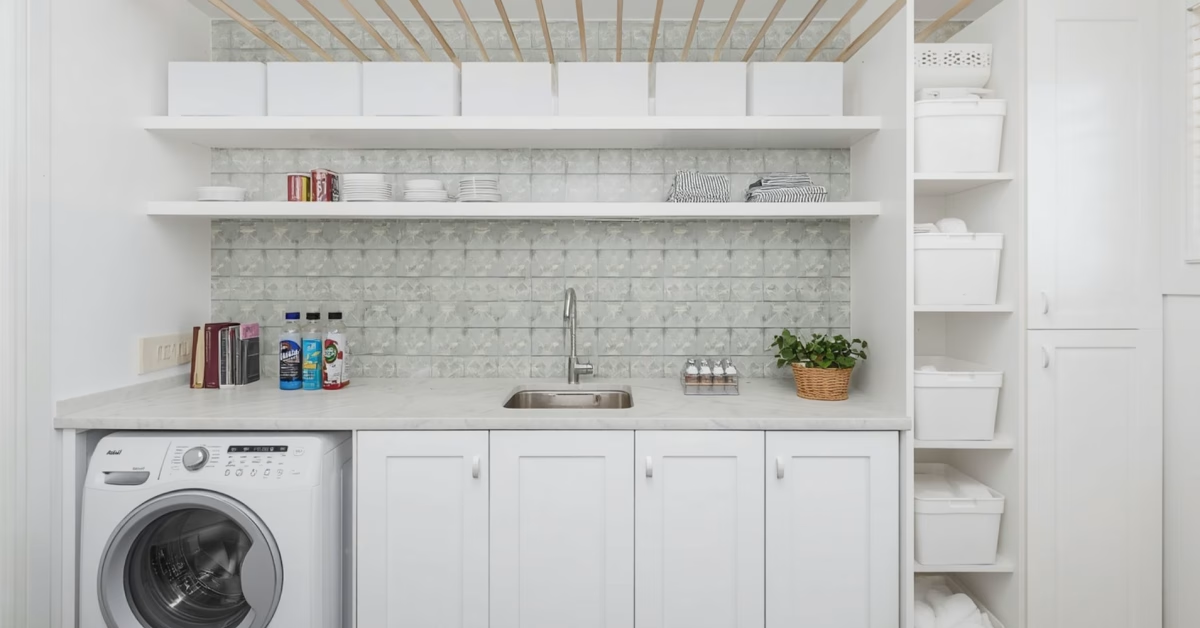
Plan appliance placement before cabinetry
Appliance placement affects cabinetry, plumbing, power access, benchtop height, ventilation and how easy the laundry is to use. Choose and measure appliances before ordering cabinets, even if you are keeping your existing washing machine and clothes dryer.
Appliance measurements
- Measure the width, height and depth of the washing machine and clothes dryer.
- Allow for hoses, taps, vents, power points and rear clearance.
- Check which way appliance doors open and whether they clash with walls, drawers or cabinetry.
- Decide whether stacked washer and dryer appliances are practical for the person who uses them most.
Clearance and use
- Measure the floor space needed to stand in front of each appliance with the door open.
- Check whether a side-by-side layout would give you a better room with folding space.
- Allow room for a laundry basket, laundry hamper or pull-out hamper near the machine.
- Record ceiling height if overhead cupboards, built-in cabinets or stacked laundry machines are being considered.
Services and cabinetry
- Confirm whether existing plumbing positions are staying or moving.
- Measure skirting, window positions, floor wastes, taps and door swings before final cabinetry.
- Think about where a large sink, farmhouse sink or sink for soaking items would affect bench and cabinet space.
- Ask how plumbing, waterproofing, tiling and cabinetry will be coordinated before the cabinet layout is final.
Separate wet, dry and storage zones
Wet, dry and storage zones help a multifunctional laundry room stay usable when several tasks happen in the same room. Good zoning keeps splash-prone tasks, clean folding areas and stored items from competing for the same small space.
The wet zone should usually sit near plumbing and splash-prone surfaces. This may include the sink, washing machine, nearby tile surfaces and the floor area where drips from buckets, soaking items or wet clothes are likely.
The dry zone should support folding, sorting and clean washing. Avoid placing wet hanging clothes directly above a folding bench, because drips can land on clean towels, uniforms or linen.
The storage zone should separate clean and chemical items. Detergents, sprays and cleaning supplies should not crowd clean linen, toiletries, pet items or children’s school gear, especially in a bathroom and laundry room combo.
In a small laundry room, zoning might mean placing the washing machine, sink and drying rail along one wall, then using a tall cabinet and pull-out basket to keep the walkway clear. In a more spacious laundry room, the wet zone can sit on one side while a separate benchtop, drawers and baskets support sorting and folding.
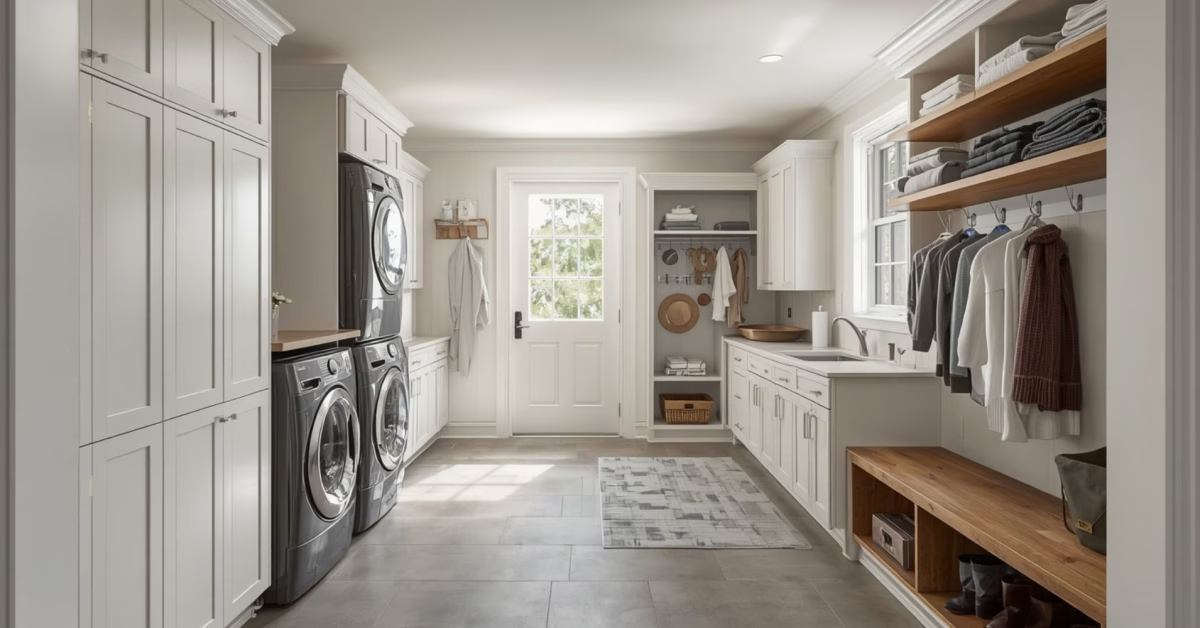
Build storage around real items, not empty shelves
Laundry storage works best when it is designed around what you actually store. Empty shelves may look flexible, but they often waste space when tall, awkward or heavy items have nowhere to go.
Tall storage means full-height cupboard space for brooms, mops, an ironing board, stick vacuums and buckets. It solves the common problem of long items leaning in corners or falling across the floor.
Closed storage means cabinets that hide detergents, sprays, spare toilet paper, rags and cleaning supplies. This can make a multipurpose laundry feel calmer, especially when it is visible from a hallway, bathroom or mudroom combo.
Open shelving means shelves, rails or baskets for items used daily. It works best for neat, repeat-use items, not for mixed clutter that will make the laundry feel unfinished.
Sorting storage means a laundry hamper, pull-out baskets or labelled zones for lights, darks, towels and uniforms. It can reduce floor clutter when the laundry is used by several people.
Utility storage means space for items that do not fit standard shelves, such as pet supplies, sports gear, outdoor cleaning products or bulk purchases. Measure these items before cabinetry is finalised.
Hidden storage solutions can include a pull-out ironing board, narrow broom cabinet, drawer organisers or built-in hamper space. These ideas help make your laundry as functional as possible without leaving every item on display.
Do not ignore ventilation, moisture and drying
Ventilation and moisture planning can affect comfort, finishes, drying and long-term maintenance in a multifunctional laundry room. In Brisbane’s humid subtropical climate, indoor drying, wet towels and enclosed laundry areas need careful thought, especially during long wet or humid periods.
A qualified renovator should assess what your room needs, particularly where a dryer, drying rack, bathroom fixture or enclosed laundry area is involved. This is also where trade coordination matters, because plumbing, waterproofing, tiling, cabinetry and ventilation considerations can affect each other.
- Check whether the room has windows, fans or other ventilation paths.
- Think about where wet towels, uniforms or delicate items will dry during humid weather.
- Avoid placing a drying rack where it blocks doors, cupboards or appliance access.
- Choose flooring with moisture, cleaning, slip resistance and durability in mind.
- Ask how plumbing, waterproofing, tiling and ventilation planning will be coordinated.
Eternity Bathrooms renovates bathrooms, kitchens and laundries, and also offers plumbing, waterproofing, tiling and water leak repair services. That matters in a laundry renovation because the visible laundry room design and the hidden wet area work need to be planned together.
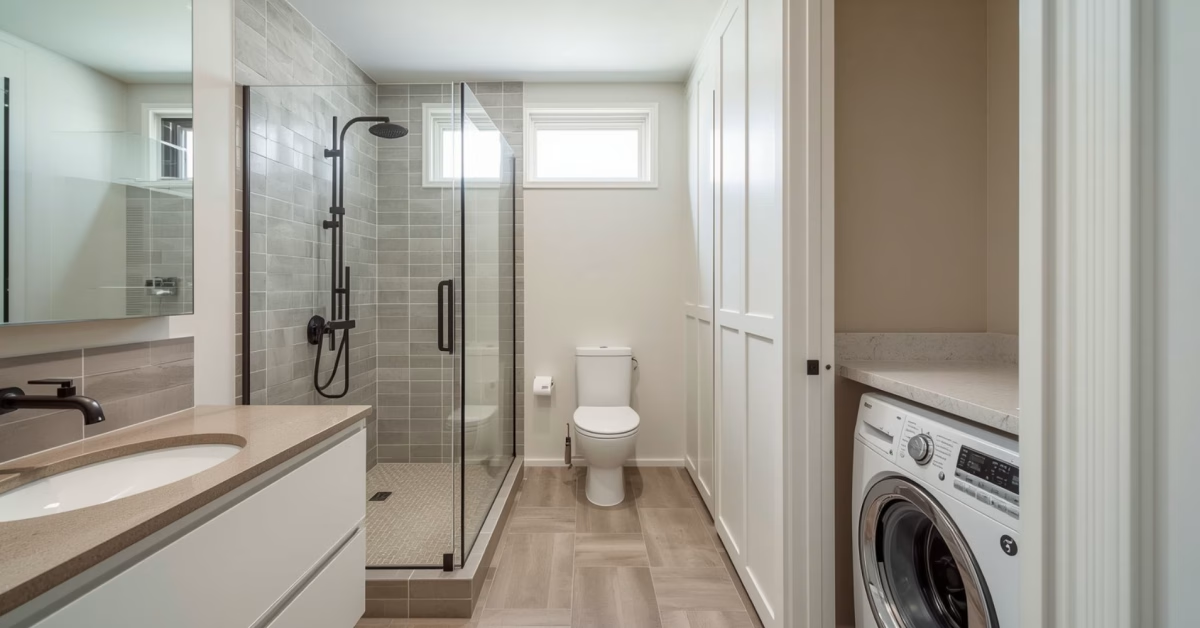
When a bathroom-laundry combo makes sense
A bathroom-laundry combo can make sense when a home has limited space and the existing wet area can be planned more efficiently. It can also help when plumbing locations, storage needs and household routines suit one shared multipurpose space.
Combined rooms need careful sequencing of bathroom and laundry tasks. A room may look efficient on paper, but it can become frustrating if someone cannot use the vanity while washing is being loaded, or if drying clothes block access to the shower or toilet.
Good fit
- The household needs one highly functional wet area instead of two cramped rooms.
- There is enough room to separate bathing, laundry and storage functions.
- Appliance doors, shower screens, vanity drawers and toilet access can work without clashing.
- Ventilation and moisture can be assessed as part of the renovation plan.
- The layout allows laundry items to be hidden when guests use the bathroom.
- The design can support compact homes, townhouses or older layouts where the laundry area is underused.
Poor fit
- The bathroom is already too small for comfortable daily use.
- The washing machine would sit too close to key bathroom fixtures.
- There is no realistic place for detergents, hampers or cleaning tools.
- Drying clothes would block the shower, toilet, vanity or doorway.
- The design relies on moving too many services without a clear functional benefit.
For homeowners considering a bathroom and laundry room combo, Eternity Bathrooms can assess the renovation as one connected wet area rather than treating the bathroom and laundry as separate design problems.
Finishes that suit a hard-working laundry
Laundry finishes need to handle water, cleaning, impact, heat from appliances, lint and regular foot traffic. A finish that looks good in a stylish laundry photo may not be practical beside a sink, washer and dryer, mop bucket or pet bowl.
Flooring: the best floor for a laundry is not only about appearance. Think about moisture exposure, cleaning chemicals, grout maintenance, slip resistance, appliance movement and how the floor will meet adjacent rooms.
Tile: floor and wall tile can suit hard-working wet areas when specified and installed correctly. Tile choices should be considered alongside waterproofing, falls, grout, cleaning effort and the amount of splash the laundry will handle.
Benchtops: a laundry benchtop may be used for folding, soaking support, baskets, school uniforms, pet items and cleaning products. Discuss edge durability, heat from appliances, water near the sink and maintenance before choosing laminate, stone or another surface.
Cabinetry: flat cabinet fronts are usually easier to wipe down than detailed profiles. Drawers, pull-out storage and built-in cabinets should be chosen for the items they need to hold, not just for symmetry.
Open shelving: open shelving can make a compact laundry feel lighter, but it works best when the items on display are controlled. If the laundry stores mixed cleaning supplies, spare linen and bulk products, closed cabinetry may give a cleaner result.
Multifunctional ideas worth considering carefully
Some multifunctional laundry room ideas only work when they match the room and household routine. A multipurpose laundry room should feel practical first, even when the goal is a more stylish space.
- Laundry and mudroom: this can work well near a garage, side entry or outdoor access point when shoes, school bags and sports gear need a landing place.
- Pet care zone: this may suit homes that need space for leads, towels, food storage or washing muddy items, but it should not crowd the sink or appliance doors.
- Compact laundry storage: a small laundry needs fewer, better choices, such as a tall cabinet, pull-out hamper, wall rail or built-in ironing board.
- Cleaning storage: if cleaning gear is the main problem, prioritise tall closed storage over decorative open shelves.
- Butler’s pantry connection: only consider this when the laundry sits near the kitchen and food storage, cleaning products and wet laundry tasks can be kept clearly separate.
A home office or study nook is usually a poor fit for a laundry unless noise, humidity, privacy and storage are genuinely controlled. In most homes, the laundry will work harder as a dedicated utility space with ample storage, clear floor space and a practical room with folding space.
What to discuss with a laundry renovator
A laundry renovator should help you test the design against space, services, moisture, storage and daily use. The conversation should cover what is included, what is fixed in scope and what may become a written variation if the plan changes.
- Which laundry functions are most important for your household?
- Can the existing plumbing stay in place, or does it need to move?
- What appliance dimensions should be confirmed before cabinetry is ordered?
- How will wet, dry and storage zones be separated?
- What ventilation or moisture issues need qualified assessment?
- Which tile, flooring, cabinet and benchtop finishes suit the way the laundry will be used?
- How will waterproofing, tiling, plumbing and cabinetry be coordinated?
- What is included in the fixed-scope quote?
- How are written variations handled if the scope changes?
- Who will manage communication during the renovation?
Eternity Bathrooms is a family-run renovation business owned by Shannon Jones, who has 20 years of industry experience. The team has over 50 years of combined experience, is QBCC licensed with licence number 15360519, and the site mentions fixed-scope quotes, written variation details and a dedicated project manager.
Frequently asked questions about multifunctional laundry rooms
What should I plan first in a small multifunctional laundry?
Plan the appliance position first, then the sink, walkway, door clearance and storage space. In a small laundry room, one wrong measurement can make drawers, washer doors or hampers difficult to use. Once the working space is clear, you can decide whether overhead cupboards, tall storage or a stacked washer and dryer layout makes sense.
Are stacked appliances better than side-by-side appliances?
Stacked appliances can save floor space and may suit a compact laundry or small space. Side-by-side appliances can create useful benchtop space for folding. The better option depends on appliance dimensions, user height, ventilation needs, door swings, available plumbing and whether the dryer is suitable for stacking.
Can a laundry also work as a mudroom?
A laundry and mudroom combination can work when it has a clear drop zone near an entry point, durable flooring and storage for shoes, bags or outdoor gear. The risk is clutter. If the mudroom combo function is important, plan hooks, seating, baskets and cleaning storage instead of expecting one bench to handle everything.
Can I combine a bathroom and laundry in a small home?
You may be able to combine a bathroom and laundry in a small home when there is enough room for appliance access, bathroom use, storage, ventilation and wet area planning. The idea becomes weaker when laundry baskets, drying, detergents or appliance doors interfere with the shower, vanity, toilet or daily privacy.
Plan a laundry that works before it looks finished
A good multifunctional laundry room makes daily routines easier because every choice has a job. Layout, appliance placement, laundry storage, drying, moisture control and trade coordination all shape how well the room works after the renovation is complete.
For a laundry renovation in Brisbane Southside, Logan or Redlands, contact Eternity Bathrooms to enquire, request a callback or ask for a free quote. Their team can help plan appliance placement, cabinetry, plumbing, waterproofing, tiling, ventilation considerations and trade coordination for a laundry that suits the way your household uses the space.